
Occupational Therapy Services
Sensory • Fine Motor • Emotional Regulation • Self Help • Reflex Integration • Executive Functioning • Attention • Balance • Coordination
Evaluations
Occupational therapy evaluations provide a comprehensive understanding of your child’s developmental needs. Our therapists utilize standardized assessments, clinical observation, and parent/teacher input to examine fine and gross motor development, sensory integration, visual-motor and visual-perceptual skills, coordination, and functional self-care abilities. The evaluation process identifies areas of strength and need, forming the basis of an individualized treatment plan designed to promote skill development, independence, and participation across settings.
Our Specialties
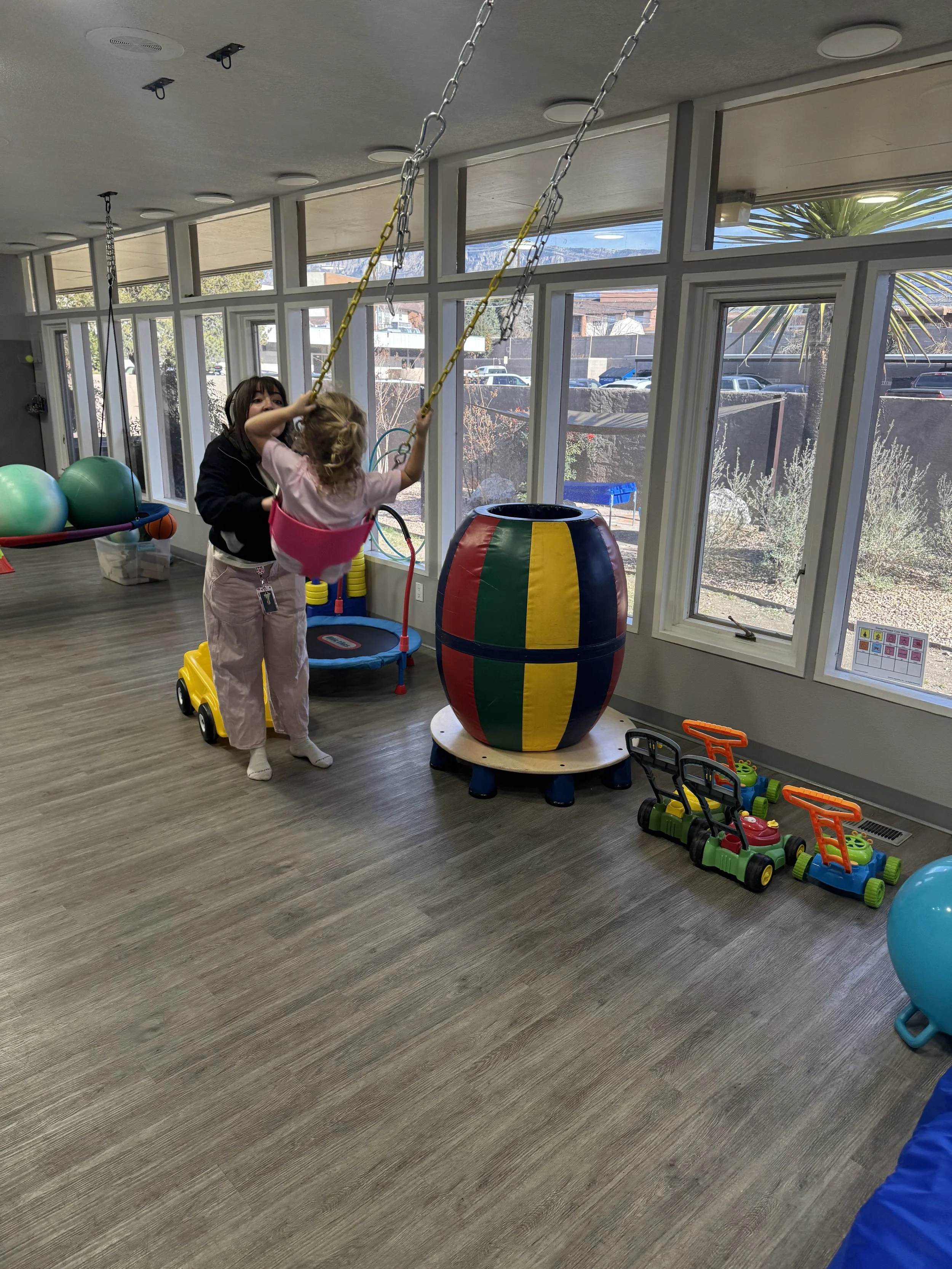
Sensory Integration Informed Approach
Sensory integration helps children process and respond to the world around them in ways that feel safe, organized, and manageable. Some kids may become overwhelmed by sounds, textures, or movement, while others may crave more input to feel calm and focused.
Our occupational therapists use play-based activities to gently guide children to explore and regulate their senses. Whether it’s swinging, climbing, playing with different textures, or practicing calming strategies, therapy is designed to support each child’s unique sensory needs.
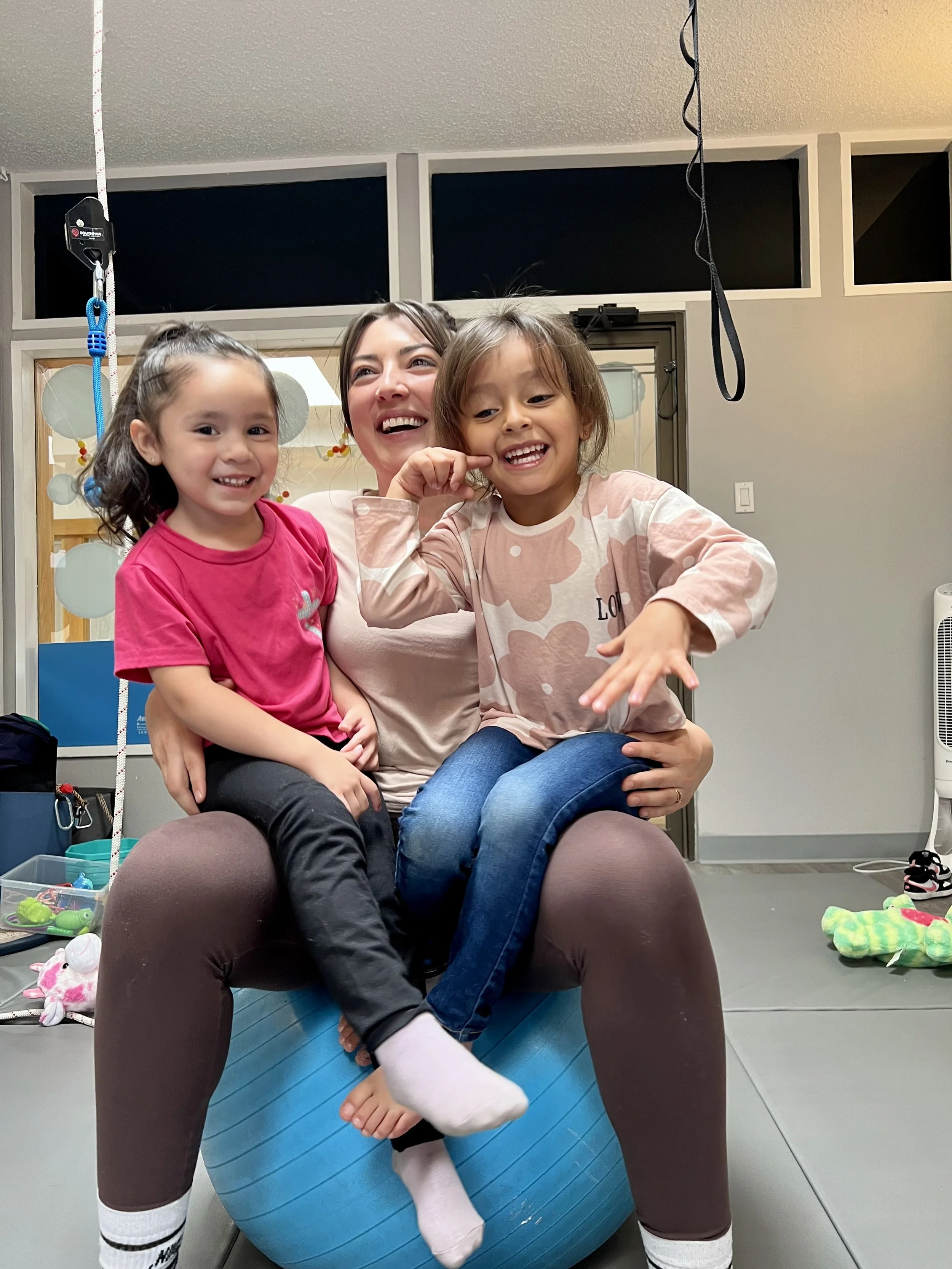
Balance and Coordination
Balance and coordination are the building blocks for so many childhood activities such as running, climbing, riding a bike, or even sitting upright in class. When these skills are challenging, everyday tasks can feel frustrating or tiring.
Our occupational therapists use fun, movement-based activities to strengthen core muscles, improve body awareness, and build coordination in ways that feel like play. With practice, children gain confidence in their movements, making it easier to enjoy sports, playground time, and daily routines.
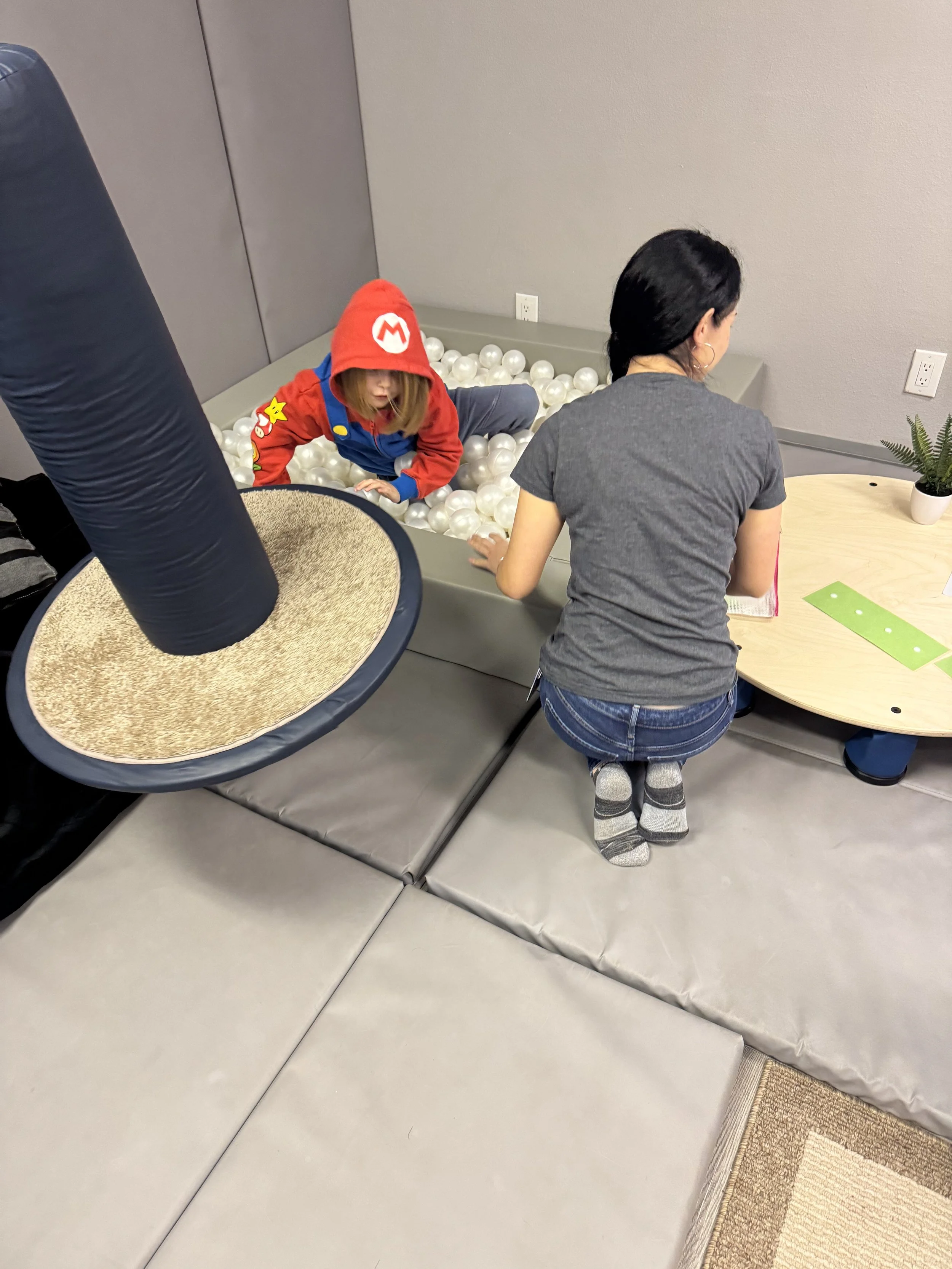
Reflex integration
Reflexes are the body’s automatic movements that help babies grow, explore, and develop. Sometimes these reflexes don’t fully integrate as a child gets older, which can make it harder to sit still, focus, coordinate movements, or learn new skills. Reflex integration therapy uses gentle, playful exercises to support the nervous system, which helps children move past retained reflexes and build a stronger foundation to learn, move, and self-regulate.

Fine Motor Skills
Fine motor skills are what help children complete the little tasks that make a big difference, the ability to a pencil, button a shirt, use scissors or utensils. When these skills don’t come easily, kids may feel discouraged or avoid certain activities.
Playful, hands‑on therapy builds the strength, control, and dexterity children need for everyday independence. We break skills into achievable steps and celebrate every bit of progress, making learning feel fun and empowering so children succeed at home, in school, and beyond.
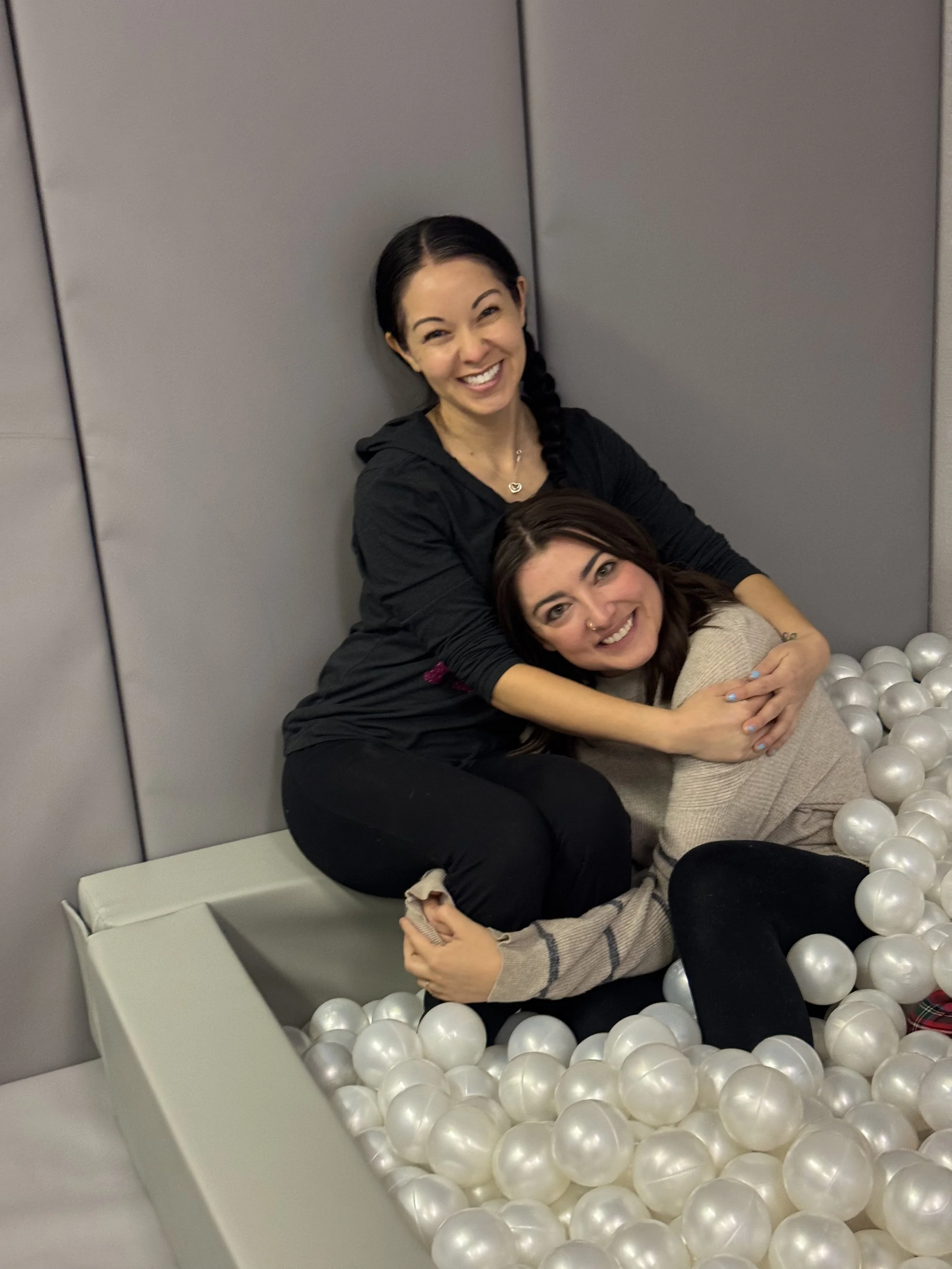
Emotional Regulation & Coping
Managing big feelings plays a key role in a child’s growth. Through supportive, play‑based strategies, occupational therapists help children recognize their emotions, practice calming tools, and build resilience when they face frustration or change. These skills strengthen their confidence and help them feel secure and successful at home, in school, and with peers.
Executive Functioning & Attention
Executive functioning skills such as planning, organizing, and staying focused, can be challenging for many children. Through supportive, play‑based strategies, occupational therapy strengthens these thinking skills to boost attention and build problem‑solving abilities. These tools help children move through school and daily routines with greater confidence and independence.

Self-Care Skills
Daily routines such as dressing, hygiene, and toileting are important milestones in a child’s independence. Occupational therapy helps break these tasks down into manageable steps, while also teaching strategies that make them feel achievable. With guidance and encouragement, children build confidence and gain the practical skills they need to thrive in their everyday lives.
At The Therapy Spot, our approach is rooted in compassion, play, and respect for each child’s unique journey. We draw on evidence-based practices like sensory integration, play-based learning, and family-centered care to make therapy engaging and meaningful. Our team is neurodiverse-affirming, which means we create safe, supportive spaces where children feel understood and valued.